Category Archives: Quick Reference Guide

Plant Problems to Watch for in 2026

Extension Logo

UW Plant Disease Facts


Authors:   Brian Hudelson, UW-Madison Plant Pathology
Last Revised:  Jan. 8, 2026
D-number:  D0137
 

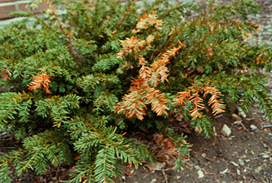
Root and crown roots on a pine branch, showing the brown needles.

Root and Crown Rots
Hosts:  Any plant
Pathogens:  Assorted root rot fungi/water molds
Signs/Symptoms:  Poor growth, branch dieback, discolored and deteriorated roots
For more information see:  UW Plant Disease Facts D0094

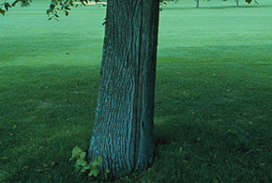
Tree trunk with plants growing at the bottom.

Planting-Related Issues/Decline
Hosts:  Woody trees and shrubs
Pathogens:  None (abiotic)
Signs/Symptoms:  No visible root flare, girdling roots, frost cracks, canopy thinning, early fall color, branch dieback, tree/shrub decline and death

Apple Scab

Scab (Apple and Pear)
Hosts:  Apple, crabapple, pear, mountain-ash
Pathogens:  Venturia inaequalis, Venturia pirina
Signs/Symptoms:  Feathery-edged spots on leaves and fruits often leading to leaf loss and tree defoliation
For more information see:  UW Plant Disease Facts D0004

Septoria Leaf Spot of Lilac

Septoria Leaf Spot of Lilac
Host:  Lilac
Pathogen:  Septoria sp.
Signs/Symptoms:  Dead spots on leaves, potentially leading to complete leaf browning

Gymnosporangium Rusts


Gymnosporangium Rusts
Hosts:  Juniper, apple, crabapple, hawthorn, quince
Pathogen:  Gymnosporangium spp.
Signs/Symptoms:  Brown blobs with orange gelatinous masses (juniper); yellow/orange leaf spots (other hosts)
For more information see:  UW Plant Disease Facts D0058/0131

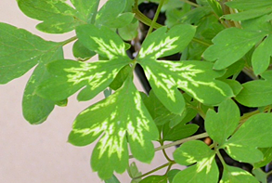
Chlorosis

Chlorosis
Hosts:  Pin oak, red maple, birch, azalea, white pine, blueberry
Pathogen:  None (Abiotic)
Signs/Symptoms:  Yellow leaves with dark green veins
For more information see: UW Plant Disease Facts D0030

Septoria Leaf Spot and Early Blight

Septoria Leaf Spot and Early Blight
Host:  Tomato
Pathogens:  Septoria lycopersici and Alternaria solani
Signs/Symptoms:  Spotting and eventual total death of leaves working from the bottom of the plant up
For more information see:  UW Plant Disease Facts D0100/46

Powdery Mildew

Powdery Mildew
Hosts:  Herbaceous and deciduous woody ornamentals, fruits, vegetables, turf
Pathogens:  Miscellaneous powdery mildew fungi
Signs/Symptoms:  Powdery white growth on leaves
For more information see:  UW Plant Disease Facts D0084/86/87

Rhizosphaera Needle Cast

Rhizosphaera Needle Cast
Hosts:  Colorado blue spruce, other spruces
Pathogen:  Rhizosphaera kalkhoffii
Signs/Symptoms:  Browning/purpling of interior needles of lower branches, followed by needle drop
For more information see:  UW Plant Disease Facts D0093

Diplodia Shoot Blight and Canker

Diplodia Shoot Blight and Canker
Hosts:  Austrian pine, other pines
Pathogen:  Diplodia spp.
Signs/Symptoms:  Dieback of brand tips with dead needles showing uneven lengths
For more information see:  UW Plant Disease Facts D0042

Tobacco leaves showing yellow lines from the Tobacco Rattle disease.

Tobacco Rattle
Hosts:  Many herbaceous ornamentals and vegetables
Pathogens:  Tobacco rattle virus
Signs/Symptoms:  Blotchy leaf color; yellow lines, ring spots, or dead spots on leaves; distorted leaf growth
For more information see:  UW Garden Facts D0116

For more information on plant problems to watch for in 2025: Contact the University of Wisconsin Plant Disease Diagnostics Clinic (PDDC) at (608) 262-2863 or pddc@wisc.edu. This Fact Sheet is also available in PDF format:

© 2026 the Board of Regents of the University of Wisconsin System doing business as University of Wisconsin-Madison Division of Extension.

An EEO/Affirmative Action employer, University of Wisconsin-Madison Division of Extension provides equal opportunities in employment and programming, including Title IX and ADA requirements. This document can be provided in an alternative format by calling Brian Hudelson at (608) 262-2863 (711 for Wisconsin Relay).

Thanks to Julie Hill, Denise Rocha and Janell Wehr for reviewing this document.

Thanks also to Marissa Wilmot (Septoria leaf spot of lilac), and Anette Phibbs (tobacco rattle) for use of their photos. 

A complete inventory of UW Plant Disease Facts is available at the University of Wisconsin-Madison Plant Disease Diagnostics Clinic website: https://pddc.wisc.edu.

Submit additional lawn, landscape, and gardening questions at https://hort.extension.wisc.edu/ask-a-gardening-question/.

Plant Problems to Watch for in 2025

Extension Logo

UW Plant Disease Facts


Authors:   Brian Hudelson, UW-Madison Plant Pathology
Last Revised:   04/18/2025
D-number:   D0136
 

Apple Scab

Scab (Apple and Pear)
Hosts:   Apple, crabapple, pear, mountain-ash
Pathogens:   Venturia inaequalis, Venturia pirina
Signs/Symptoms:  Feathery-edged spots on leaves and fruits often leading to leaf loss and tree defoliation
For more information see:    UW Plant Disease Facts D0004

Septoria Leaf Spot of Lilac

Septoria Leaf Spot of Lilac
Host:   Lilac
Pathogen:   Septoria sp.
Signs/Symptoms:   Dead spots on leaves, potentially leading to complete leaf browning

Aster Yellows

Aster Yellows
Hosts:    Many herbaceous ornamentals and vegetables
Pathogens:    Aster yellows phytoplasma
Signs/Symptoms:  Yellow/orange/purple leaves, stunted and distorted growth, leafy flowers, brooming
For more information see:    UW Garden Facts D0007

Gymnosporangium Rusts

Gymnosporangium Rusts
Hosts:  Juniper, apple, crabapple, hawthorn, quince
Pathogen:   Gymnosporangium spp.
Signs/Symptoms:  Brown blobs with orange gelatinous masses (juniper); yellow/orange leaf spots (other hosts)
For more information see:   UW Plant Disease Facts D0058/0131

Conifer - Winter Injury

Winter Injury/Winter Burn
Hosts:   All conifers, particularly yew and juniper
Cause:   Insufficient water
Signs/Symptoms:  Needle browning/bleaching over winter or in spring as plants come out of dormancy
For more information see:  UW Plant Disease Facts D0127

Bacterial Canker

Bacterial Canker
Hosts:  Stone fruits (cherry, peach, plum)
Pathogen:   Pseudomonas syringae
Signs/Symptoms:   Masses of sap on affected branches/trunks, branch die back, tree death
For more information see:   UW Plant Disease Facts D0009

Powdery Mildew

Powdery Mildew
Hosts:    Herbaceous and deciduous woody ornamentals, fruits, vegetables, turf
Pathogens:    Miscellaneous powdery mildew fungi
Signs/Symptoms:  Powdery white growth on leaves
For more information see:   UW Plant Disease Facts D0084/86/87

Septoria Leaf Spot and Early Blight

Septoria Leaf Spot and Early Blight
Host:   Tomato
Pathogens:   Septoria lycopersici and Alternaria solani
Signs/Symptoms:  Spotting and eventual total death of leaves working from the bottom of the plant up
For more information see:   UW Plant Disease Facts D0100/46

Rhizosphaera Needle Cast

Rhizosphaera Needle Cast
Hosts:   Colorado blue spruce, other spruces
Pathogen:   Rhizosphaera kalkhoffii
Signs/Symptoms:  Browning/purpling of interior needles of lower branches, followed by needle drop
For more information see:   UW Plant Disease Facts D0093

Diplodia Shoot Blight and Canker

Diplodia Shoot Blight and Canker
Hosts:   Austrian pine, other pines
Pathogen:   Diplodia spp.
Signs/Symptoms:   Dieback of brand tips with dead needles showing uneven lengths
For more information see:   UW Plant Disease Facts D0042

Chlorosis

Chlorosis
Hosts:  Pin oak, red maple, birch, azalea, white pine, blueberry
Pathogen:   None (Abiotic)
Signs/Symptoms:  Yellow leaves with dark green veins
For more information see:  UW Plant Disease Facts D0030

For more information on plant problems to watch for in 2025: Contact the University of Wisconsin Plant Disease Diagnostics Clinic (PDDC) at (608) 262-2863 or pddc@wisc.edu. This Fact Sheet is also available in PDF format:

© 2025 the Board of Regents of the University of Wisconsin System doing business as University of Wisconsin-Madison Division of Extension.

An EEO/Affirmative Action employer, University of Wisconsin-Madison Division of Extension provides equal opportunities in employment and programming, including Title IX and ADA requirements. This document can be provided in an alternative format by calling Brian Hudelson at (608) 262-2863 (711 for Wisconsin Relay).

Thanks to Julie Hill, Kathy Johnson and Margaret Murphy for reviewing this document.

A complete inventory of UW Plant Disease Facts is available at the University of Wisconsin-Madison Plant Disease Diagnostics Clinic website: https://pddc.wisc.edu.

Submit additional lawn, landscape, and gardening questions at https://hort.extension.wisc.edu/ask-a-gardening-question/.

Plant Problems to Watch for in 2024

Extension Logo

UW Plant Disease Facts


Authors:   Brian Hudelson, UW-Madison Plant Pathology
Last Revised:   04/27/2024
D-number:   D0135
 

Conifer - Winter Injury

Winter Injury/Winter Burn
Hosts:   All conifers, particularly yew and juniper
Cause:   Insufficient water
Signs/Symptoms:  Needle browning/bleaching over winter or in spring as plants come out of dormancy
For more information see:  UW Plant Disease Facts D0127
Chlorosis Chlorosis
Hosts:  Pin oak, red maple, birch, azalea, white pine, blueberry
Pathogen:   None (Abiotic)
Signs/Symptoms:  Yellow leaves with dark green veins
For more information see:  UW Plant Disease Facts D0030
Blister Canker Blister Canker
Hosts:  Apple, crabapple, serviceberry, mountain-ash
Pathogen:   Biscogniauxia marginata
Signs/Symptoms:  Dark, sunken, cracked areas on trunks with dark, round, flat pads of fungal growth
For more information see:  UW Plant Disease Facts D0134
Golden Canker Golden Canker
Hosts: Pagoda dogwood
Pathogen: Cryptodiaporthe corni
Signs/Symptoms: Dead branches that are gold in color, often with orange spots
For more information see:  UW Plant Disease Facts D0055
Diplodia Shoot Blight and Canker Diplodia Shoot Blight and Canker
Hosts:   Austrian pine, other pines
Pathogen:   Diplodia spp.
Signs/Symptoms:   Dieback of brand tips with dead needles showing uneven lengths
For more information see:   UW Plant Disease Facts D0042
Fire Blight  Fire Blight
Hosts:  Apple, crabapple, pear, mountain-ash
Pathogen:  Erwinia amylovora
Signs/Symptoms:  Branch dieback (often with the tip having a shepherd’s crook), eventual tree death
For more information see:  UW Plant Disease Facts D0052
Cucumber Mosaic Cucumber Mosaic
Hosts:  Herbaceous ornamentals and vegetables
Pathogens:  Cucumber mosaic virus
Signs/Symptoms:  Blotchy light and dark green leaf color, distorted leaf growth
For more information see:  UW Plant Disease Facts D0036
Powdery Mildew Powdery Mildew
Hosts:   Herbaceous and woody ornamentals, fruit, vegetables, turf
Pathogens:   miscellaneous powdery mildew fungi
Signs/Symptoms:   Powdery white growth on leaves
For more information see:   UW Plant Disease Facts D0084/86/87
Red Star Rust Red Star Rust
Red Star Rust Hosts:  Chinese juniper, apple, crabapple
Pathogen: Gymnosporangium yamadae
Signs/Symptoms: Brown blobs with orange gelatinous masses (juniper), red leaf spots (apple, crabapple)
For more information see:  UW Plant Disease Facts D0131
Boxwood Blight Boxwood Blight
Host:   Boxwood
Pathogens:   Calonectria pseudonaviculata
Signs/Symptoms:   Circular, brown leaf spots followed by leaf drop and shrub death
For more information see:   UW Plant Disease Facts D0023
Improper Planting Improper Planting
Hosts:   Woody trees and shrubs
Pathogen:   None
Signs/Symptoms:   No root flare at the soil line, girdling roots, frost cracks, canopy thinning, early fall color, branch dieback, tree/shrub decline and death
For more information on plant problems to watch for in 2024: Contact the University of Wisconsin Plant Disease Diagnostics Clinic (PDDC) at (608) 262-2863 or pddc@wisc.edu.This Fact Sheet is also available in PDF format:

© 2024 the Board of Regents of the University of Wisconsin System doing business as University of Wisconsin-Madison Division of Extension.

An EEO/Affirmative Action employer, University of Wisconsin-Madison Division of Extension provides equal opportunities in employment and programming, including Title IX and ADA requirements. This document can be provided in an alternative format by calling Brian Hudelson at (608) 262-2863 (711 for Wisconsin Relay).

References to pesticide products in this publication are for your convenience and are not an endorsement or criticism of one product over similar products. You are responsible for using pesticides according to the manufacturer’s current label directions. Follow directions exactly to protect the environment and people from pesticide exposure. Failure to do so violates the law.

Thanks to Julie Hill, Margaret Murphy and Denise Rocha for reviewing this document.

Thanks also to Serenella Linares (blister canker), Nancy Gregory-University of Maryland (lipstick rust), and David Clement (boxwood blight) for use of their photos. 

A complete inventory of UW Plant Disease Facts is available at the University of Wisconsin-Madison Plant Disease Diagnostics Clinic website: https://pddc.wisc.edu.

Submit additional lawn, landscape, and gardening questions at https://hort.extension.wisc.edu/ask-a-gardening-question/.

Plant Problems to Watch for in 2023

Extension Logo

UW Plant Disease Facts


Authors:   Brian Hudelson UW-Madison Plant Pathology
Last Revised:   03/01/2024
D-number:   D0132
 
Lipstick Rust Lipstick Rust
Host:   Chinese juniper, apple, crabapple
Pathogen:   Gymnosporangium yamadae
Signs/Symptoms:   Brown blobs with orange gelatinous masses (juniper), red leaf spots (apple, crabapple)
Boxwood Blight Boxwood Blight
Host:   Boxwood
Pathogens:   Calonectria pseudonaviculata
Signs/Symptoms:   Circular, brown leaf spots followed by leaf drop and shrub death
For more information see:   UW Plant Disease Facts D0023
Late Blight Late Blight
Host:   Tomato, potato
Pathogen:   Phytophthora infestans
Signs/Symptoms:   Water-soaked spots on leaves, leathery areas on tomato fruits, rapid plant death
For more information see:   UW Plant Disease Facts D0068
Septoria Leaf Spot and Early Blight Septoria Leaf Spot and Early Blight
Host:   Tomato
Pathogens:   Septoria lycopersici and Alternaria solani
Signs/Symptoms:   Spotting and eventual total collapse of leaves, working from the bottom of the plant up
For more information see:   UW Plant Disease Facts D0100/46
Septoria Leaf Spot of Lilac Septoria Leaf Spot of Lilac
Host:   Lilac
Pathogen:   Septoria sp.
Signs/Symptoms:   Dead spots on leaves, potentially leading to complete leaf browning
Verticillium Wilt Vascular Discoloration Verticillium Wilt
Hosts:   Woody and herbaceous ornamentals, vegetables
Pathogens:   Verticillium sp.
Signs/Symptoms:   Wilting, branch dieback, plant death
For more information see: UW Plant Disease Facts D0121/D0122
Powdery Mildew Powdery Mildew
Hosts:   Herbaceous and woody ornamentals, fruit, vegetables, turf
Pathogens:   miscellaneous powdery mildew fungi
Signs/Symptoms:   Powdery white growth on leaves
For more information see:   UW Plant Disease Facts D0084/86/87
Rhizosphaera Needle Cast Rhizosphaera Needle Cast
Hosts:   Colorado blue spruce, other spruces
Pathogen:   Rhizosphaera kalkhoffii
Signs/Symptoms:   Browning/purpling of interior needles of lower branches, followed by needle drop
For more information see:   UW Plant Disease Facts D0093
Diplodia Shoot Blight and Canker Diplodia Shoot Blight and Canker
Hosts:   Austrian pine, other pines
Pathogen:   Diplodia spp.
Signs/Symptoms:   Dieback of brand tips with dead needles showing uneven lengths
For more information see:   UW Plant Disease Facts D0042
Chlorosis Chlorosis
Hosts:    Pin oak, red maple, birch, azalea, white pine, blueberry
Pathogen:   None
Signs/Symptoms:   Yellow leaves with dark green veins
For more information see:   UW Plant Disease Facts D0030
Improper Planting Improper Planting
Hosts:   Woody trees and shrubs
Pathogen:   None
Signs/Symptoms:   No root flare at the soil line, girdling roots, frost cracks, canopy thinning, early fall color, branch dieback, tree/shrub decline and death

For more information on plant problems to watch for:

See https://pddc.wisc.edu/ or contact the University of Wisconsin Plant Disease Diagnostics Clinic (PDDC) at (608) 262-2863 or pddc@wisc.edu.


This Fact Sheet is also available in PDF format:

© 2022-2024 the Board of Regents of the University of Wisconsin System doing business as University of Wisconsin-Madison Division of Extension.

An EEO/Affirmative Action employer, University of Wisconsin-Madison Division of Extension provides equal opportunities in employment and programming, including Title IX and ADA requirements. This document can be provided in an alternative format by calling Brian Hudelson at (608) 262-2863 (711 for Wisconsin Relay).

Thanks to Diana Alfuth, Lisa Johnson and Carol Shirk for reviewing this document. Thanks also to David Clement (boxwood blight), Nancy Gregory-University of Maryland (lipstick rust), Amanda Gevens (late blight), and Marissa Wilmot (Septoria leaf spot of lilac) for use of their photos.

A complete inventory of UW Plant Disease Facts is available at the University of Wisconsin-Madison Plant Disease Diagnostics Clinic website: https://pddc.wisc.edu.

Submit additional lawn, landscape, and gardening questions at https://hort.extension.wisc.edu/ask-a-gardening-question/.

Plant Problems to Watch for in 2022

Extension Logo

UW Plant Disease Facts


Authors:   Brian Hudelson UW-Madison Plant Pathology
Last Revised:   03/01/2024
D-number:   D0132
 
Boxwood Blight Boxwood Blight
Host:   Boxwood
Pathogens:   Calonectria pseudonaviculata
Signs/Symptoms:   Circular, brown leaf spots followed by leaf drop and shrub death
For more information see:   UW Plant Disease Facts D0023
Lipstick Rust Lipstick Rust
Host:   Chinese juniper, apple, crabapple
Pathogen:   Gymnosporangium yamadae
Signs/Symptoms:   Brown blobs with orange gelatinous masses (juniper), red leaf spots (apple, crabapple)
Late Blight Late Blight
Host:   Tomato, potato
Pathogen:   Phytophthora infestans
Signs/Symptoms:   Water-soaked spots on leaves, leathery areas on tomato fruits, rapid plant death
For more information see:   UW Plant Disease Facts D0068
Septoria Leaf Spot and Early Blight Septoria Leaf Spot and Early Blight
Host:   Tomato
Pathogens:   Septoria lycopersici and Alternaria solani
Signs/Symptoms:   Spotting and eventual total collapse of leaves, working from the bottom of the plant up
For more information see:   UW Plant Disease Facts D0100/46
Septoria Leaf Spot of Lilac Septoria Leaf Spot of Lilac
Host:   Lilac
Pathogen:   Septoria sp.
Signs/Symptoms:   Dead spots on leaves, potentially leading to complete leaf browning
Wood Rots Wood Rots
Hosts:   Woody trees and shrubs
Pathogens:   Miscellaneous wood rot fungi
Signs/Symptoms:   Shelf-like growths on trunks and branches
Canker Diseases Canker Diseases
Hosts:    Woody trees and shrubs
Pathogens:   Miscellaneous canker fungi
Signs/Symptoms:   Sunken areas on trunks/branches
For more information see:   UW Plant Disease Facts D0027, D0037, D0042, D0055, D0074, D0114
Virus Diseases Virus Diseases
Hosts:   All plants, particularly herbaceous ornamentals
Pathogen:   Miscellaneous plant viruses
Signs/Symptoms:   Blotchy leaf color, growth distortions
For more information see:   UW Plant Disease Facts D0036, D0063, D0067, D0115, D0116, D0130
Rhizosphaera Needle Cast Rhizosphaera Needle Cast
Hosts:   Colorado blue spruce, other spruces
Pathogen:   Rhizosphaera kalkhoffii
Signs/Symptoms:   Browning/purpling of interior needles of lower branches, followed by needle drop
For more information see:   UW Plant Disease Facts D0093
Chlorosis Chlorosis
Hosts:    Pin oak, red maple, birch, azalea, white pine, blueberry
Pathogen:   None
Signs/Symptoms:   Yellow leaves with dark green veins
For more information see:   UW Plant Disease Facts D0084
Improper Planting Improper Planting
Hosts:   Woody trees and shrubs
Pathogen:   None
Signs/Symptoms:   No root flare at the soil line, girdling roots, frost cracks, canopy thinning, early fall color, branch dieback, tree/shrub decline and death

For more information on plant problems to watch for:

See https://pddc.wisc.edu/ or contact the University of Wisconsin Plant Disease Diagnostics Clinic (PDDC) at (608) 262-2863 or pddc@wisc.edu.


This Fact Sheet is also available in PDF format:

© 2022-2024 the Board of Regents of the University of Wisconsin System doing business as University of Wisconsin-Madison Division of Extension.

An EEO/Affirmative Action employer, University of Wisconsin-Madison Division of Extension provides equal opportunities in employment and programming, including Title IX and ADA requirements. This document can be provided in an alternative format by calling Brian Hudelson at (608) 262-2863 (711 for Wisconsin Relay).

Thanks to Julie Hill, Jeannie Manis and Carol Shirk for reviewing this document. Thanks also to David Clement (boxwood blight), Nancy Gregory-University of Maryland (lipstick rust), Amanda Gevens (late blight), Marissa Wilmot (Septoria leaf spot of lilac), and Diane Malchow (wood rots) for use of their photos.

A complete inventory of UW Plant Disease Facts is available at the University of Wisconsin-Madison Plant Disease Diagnostics Clinic website: https://pddc.wisc.edu.

Submit additional lawn, landscape, and gardening questions at https://hort.extension.wisc.edu/ask-a-gardening-question/.

Vegetable Disease Quick Reference

Extension Logo

UW Plant Disease Facts


Authors:   Brian Hudelson, UW-Madison Plant Pathology
Last Revised:   03/02/2024
D-number:   D0120
 
Septoria Leaf Spot Septoria Leaf Spot and Early Blight
Host:   Tomato
Pathogens:   Septoria lycopersicia and Alternaria solani
Signs/Symptoms:  Spotting and eventual total collapse of leaves working from the bottom of the plant up
For more information see:        UW Garden Facts D0100/D0046
Late Blight Late Blight
Hosts:   Tomato, potato
Pathogen:   Phytophthora infestans
Signs/Symptoms:  Water-soaked spots on leaves, leathery areas on tomato fruits, rapid plant death
For more information see:        UW Garden Facts D0068
Blossom End Rot Blossom End Rot
Host:   Tomato, pepper, eggplant, cucumber, squash
Cause:   Calcium deficiency
Signs/Symptoms:  Decayed areas on the bottom sides of vegetable fruits
For more information see:        UW Garden Facts D0022
Powdery Mildew Powdery Mildew
Hosts:    Any vegetable, particularly vine crops, peas
Pathogens:    Miscellaneous powdery mildew fungi
Signs/Symptoms:  Powdery white growth on leaves
For more information see:        UW Garden Facts D0086
Common Corn Smut Common Corn Smut
Hosts:   Corn
Pathogen:   Ustilago maydis
Signs/Symptoms:  Pasty white masses on corn ears eventually decomposing into a brown powder
For more information see:        UW Garden Facts D0031
Black Rot Black Rot
Hosts:   Crucifers (e.g., cabbage, broccoli, cauliflower)
Pathogen:   Xanthomonas campestris pv. campetris
Signs/Symptoms:  V-shaped yellow/dead areas on leaves progressing into plant deterioration and death
For more information see:        UW Garden Facts D0019
Potato Scab Potato Scab
Hosts:    Potato, carrot, beet, other root crops
Pathogen:  Streptomyces scabies
Signs/Symptoms:  Brown, rough, scab-like areas on tubers and roots
For more information see:        UW Garden Facts D0083
Verticillium Wilt Verticillium Wilt
Host:   Tomato, pepper, eggplant, potato, vine crops
Pathogen:  Verticillium spp.
Signs/Symptoms:  Leaf yellowing and wilting of plants followed by eventual plant death
For more information see:        UW Garden Facts D0122
Aster Yellows Aster Yellows
Hosts:    Carrot
Pathogens:    Aster yellows phytoplasma
Signs/Symptoms:  Yellow/orange/purple leaves, stunted roots with tufts of white hairy roots
For more information see:        UW Garden Facts D0007
Bacterial Wilt Bacterial Wilt
Hosts:   Vine crops
Pathogen:   Erwinia tracheiphila
Signs/Symptoms:  Sectional wilting and eventual death of plants after cucumber beetle feeding
For more information see:        UW Garden Facts D0014
Basil Downy Mildew Basil Downy Mildew
Host:   Basil
Pathogen:   Peronospora belbahrii
Signs/Symptoms:  Downward-cupped, yellow leaves with purple-gray fuzz on leaf undersurfaces
For more information see:        UW Garden Facts D0015

For more information on vegetable diseases: 

See https://pddc.wisc.edu/ or contact the University of Wisconsin Plant Disease Diagnostics Clinic (PDDC) at (608) 262-2863 or pddc@wisc.edu.


This Fact Sheet is also available in PDF format:

© 2021-2024 the Board of Regents of the University of Wisconsin System doing business as University of Wisconsin-Madison Division of Extension.

An EEO/Affirmative Action employer, University of Wisconsin-Madison Division of Extension provides equal opportunities in employment and programming, including Title IX and ADA requirements. This document can be provided in an alternative format by calling Brian Hudelson at (608) 262-2863 (711 for Wisconsin Relay).

Thanks to Jane Anklam, Vijai Pandian, and Linda Remeschatis for reviewing this document. Thanks also to Amanda Gevens (late blight, black rot, Verticillium wilt), ISU-PIDC (bacterial wilt) and Debbie Roos (basil downy mildew) for use of their photos.

A complete inventory of UW Plant Disease Facts is available at the University of Wisconsin-Madison Plant Disease Diagnostics Clinic website: https://pddc.wisc.edu.

Submit additional lawn, landscape, and gardening questions at https://hort.extension.wisc.edu/ask-a-gardening-question/.

Plant Diseases to Watch For in 2021

Extension Logo

UW Plant Disease Facts


Authors:   Brian Hudelson, UW-Madison Plant Pathology
Last Revised:   03/01/2024
D-number:   D0081
 
Septoria Leaf Spot Septoria Leaf Spot and Early Blight
Host:  Tomato
Pathogens:   Septoria lycopersici and Alternaria solani
Signs/Symptoms:  Spotting and eventual total collapse of leaves working from the bottom of the plant up
For more information see:       UW Plant Disease Facts D0100/46
Late Blight Late Blight
Hosts:  Tomato, potato
Pathogen:   Phytophthora infestans
Signs/Symptoms:  Water-soaked spots on leaves, leathery areas on tomato fruits, rapid plant death
For more information see:       UW Plant Disease Facts D0068
Septoria Leaf Spot of Lilac Septoria Leaf Spot of Lilac
Host:  Lilac
Pathogen:   Septoria sp.
Signs/Symptoms:  Dead spots on leaves, potentially leading to complete leaf browning
Rhizosphaera Needle Cast Rhizosphaera Needle Cast
Hosts:  Colorado blue spruce, other spruces
Pathogen:   Rhizosphaera kalkhoffii
Signs/Symptoms:  Browning/purpling of interior needles of lower branches, followed by needle drop
For more information see:       UW Plant Disease Facts D0093
Gymnosporangium Rusts Gymnosporangium Rusts
Hosts:  Juniper, apple, crabapple, hawthorn, quince
Pathogen:   Gymnosporangium spp.
Signs/Symptoms:  Brown blobs with orange gelatinous masses (juniper); yellow/orange leaf spots (other hosts)
For more information see:       UW Plant Disease Facts D0058
Elderberry Rust Elderberry Rust
Hosts:  Elderberry
Pathogen:   Puccinia sambuci
Signs/Symptoms:  Light yellow, powdery growths on branches
For more information see:       UW Plant Disease Facts D0049
Apple Scab Scab (Apple and Pear)
Hosts:   Apple, crabapple, pear, mountain-ash
Pathogens:   Venturia inaequalis, Venturia pirina
Signs/Symptoms:  Feathery-edged spots on leaves and fruits often leading to leaf loss and tree defoliation
For more information see:       UW Plant Disease Facts D0004
Bur Oak Blight Bur Oak Blight
Host:   Bur oak
Pathogen:   Tubakia iowensis
Signs/Symptoms:  Wedge-shaped dead areas on leaves leading to dead leaves that stay attached to trees
Powdery Mildew Powdery Mildew
Hosts:   Herbaceous and woody ornamentals, fruits, vegetables, turf
Pathogens:   Miscellaneous powdery mildew fungi
Signs/Symptoms:  Powdery white growth on leaves
For more information see:       UW Plant Disease Facts D0084/86/87
Diplodia Shoot Blight and Canker Diplodia Shoot Blight and Canker
Hosts:  Austrian pine, other pines
Pathogen:   Diplodia spp.
Signs/Symptoms:  Dieback of branch tips with dead needles showing uneven lengths
For more information see:       UW Plant Disease Facts D0042
Boxwood Blight Boxwood Blight
Host:  Boxwood
Pathogen:   Calonectria pseudonaviculata
Signs/Symptoms:  Circular, brown leaf spots followed by leaf drop and shrub death
For more information see:       UW Plant Disease Facts D0023

For more information on plant diseases to watch for: 

See https://pddc.wisc.edu/ or contact the University of Wisconsin Plant Disease Diagnostics Clinic (PDDC) at (608) 262-2863 or pddc@wisc.edu.


This Fact Sheet is also available in PDF format:

© 2021-2024 the Board of Regents of the University of Wisconsin System doing business as University of Wisconsin-Madison Division of Extension.

An EEO/Affirmative Action employer, University of Wisconsin-Madison Division of Extension provides equal opportunities in employment and programming, including Title IX and ADA requirements. This document can be provided in an alternative format by calling Brian Hudelson at (608) 262-2863 (711 for Wisconsin Relay).

Thanks to Diana Alfuth, Margaret Murphy and Denise Worzalla-Rocha for reviewing this document. Thanks also to Amanda Gevens (late blight), Marissa Wilmot (Septoria leaf spot of lilac), Jenell Bindl (elderberry rust), Lina Rodriguez-Salamanca (bur oak blight) and David Clement (boxwood blight) for use of their photos.

A complete inventory of UW Plant Disease Facts is available at the University of Wisconsin-Madison Plant Disease Diagnostics Clinic website: https://pddc.wisc.edu.

Submit additional lawn, landscape, and gardening questions at https://hort.extension.wisc.edu/ask-a-gardening-question/.

Ten Common Plant Diseases/Disorders You Can Diagnose by Eye

Extension Logo

UW Plant Disease Facts


Authors:   Brian Hudelson, UW-Madison Plant Pathology
Last Revised:   03/02/2024
D-number:   D0112
 
Powdery Mildew Powdery Mildew
Hosts:   Herbaceous and woody ornamentals, fruits, vegetables, turf
Pathogens:   Miscellaneous powdery mildew fungi
Signs/Symptoms:  Powdery white growth on leaves
For more information see:       UW Plant Disease Facts D0084/86/87
Tar Spot Tar Spot
Hosts:  Maples
Pathogen:   Rhytisma spp.
Signs/Symptoms:  Tarry areas (either solid spots or clusters of small spots) on leaves
For more information see:       UW Plant Disease Facts D0110
Peach Leaf Curl Peach Leaf Curl
Hosts:  Peach
Pathogen:   Taphrina deformans
Signs/Symptoms:  Light-green, yellow or purplish-red puckered areas on leaves
For more information see:       UW Plant Disease Facts D0076
Sooty Mold Sooty Mold
Hosts:  Any plant
Pathogen:   Miscellaneous sooty mold fungi
Signs/Symptoms:  Powdery black growth on leaves or needles
For more information see:       UW Bulletin A2637
Chlorosis Chlorosis
Hosts:  Oak, red maple
Cause:   Iron or manganese deficiency, often induced by high soil pH
Signs/Symptoms:  Yellow leaves with dark green veins
For more information see:       UW Plant Disease Facts D0030
Gymnosporangium Rusts Gymnosporangium Rusts
Hosts:  Juniper, apple, crabapple, hawthorn, quince
Pathogen:   Gymnosporangium spp.
Signs/Symptoms:  Brown blobs with orange gelatinous masses (juniper); yellow/orange leaf spots (other hosts)
For more information see:       UW Plant Disease Facts D0058
Black Knot Black Knot
Hosts:  Prunus spp. (plum and cherry)
Pathogen:   Apiosporina morbosa
Signs/Symptoms:  Black poop-like growths on branches
For more information see:       UW Plant Disease Facts D0018
Elderberry Rust Elderberry Rust
Hosts:  Elderberry
Pathogen:   Puccinia sambuci
Signs/Symptoms:  Light yellow, powdery growths on branches
For more information see:       UW Plant Disease Facts D0049
Golden Canker Golden Canker
Hosts:  Pagoda dogwood
Pathogen:   Cryptodiaporthe corni
Signs/Symptoms:  Gold-colored branches with orange spots
For more information see:       UW Plant Disease Facts D0055
Dog Vomit Slime Mold Dog Vomit Slime Mold
Hosts:  Any plant and on mulch
Cause:   Fuligo septica
Signs/Symptoms:  Scrambled egg-like masses on mulch or at the base of plants
For more information see:       UW Plant Disease Facts D0102

For more information on common plant diseases: 

See https://pddc.wisc.edu/ or contact the University of Wisconsin Plant Disease Diagnostics Clinic (PDDC) at (608) 262-2863 or pddc@wisc.edu.


This Fact Sheet is also available in PDF format:

© 2021-2024 the Board of Regents of the University of Wisconsin System doing business as University of Wisconsin-Madison Division of Extension.

An EEO/Affirmative Action employer, University of Wisconsin-Madison Division of Extension provides equal opportunities in employment and programming, including Title IX and ADA requirements. This document can be provided in an alternative format by calling Brian Hudelson at (608) 262-2863 (711 for Wisconsin Relay).

Thanks to Diana Alfuth, Mike Maddox and Ann Wied for reviewing this document.

A complete inventory of UW Plant Disease Facts is available at the University of Wisconsin-Madison Plant Disease Diagnostics Clinic website: https://pddc.wisc.edu.

Submit additional lawn, landscape, and gardening questions at https://hort.extension.wisc.edu/ask-a-gardening-question/.

Deciduous Tree Leaf Disease Quick Reference

Extension Logo

UW Plant Disease Facts
 
Authors:  Brian Hudelson, UW-Madison Plant Pathology
Last Revised:  02/29/2024
D-number:  D0041
 
Anthracnose Anthracnose
Hosts:  Most trees, commonly ash, maple and oak
Pathogens:  Gloeosporium spp. as well as other fungi
Signs/Symptoms:  Blotchy dead areas on leaves
For more information see:  UW Plant Disease Facts D0002
Purple-bordered Leaf Spot Purple-Bordered Leaf Spot
Host:  Amur, Japanese, red, silver and sugar maple
Pathogen:  Phyllosticta minima
Signs/Symptoms:  Discrete, circular leaf spots with purple borders
For more information see:  UW Plant Disease Facts D0089
 Tubakia Leaf Spot Tubakia (Actinopelte) Leaf Spot
Hosts:  Oak
Pathogen:  Tubakia spp. (Actinopelte spp.)
Signs/Symptoms:  Discrete circular, or irregular blotchy dead areas on leaves
For more information see:  UW Plant Disease Facts D0118
 Apple Scab Apple Scab
Hosts:  Apple, crabapple, pear, mountain-ash
Pathogen:  Venturia inaequalis, V. pirina
Signs/Symptoms:  Circular, black leaf spots with feathery edges; eventual leaf loss
For more information see:  UW Plant Disease Facts D0004
 Gymnosporangium Rusts Gymnosporangium Rusts
Hosts:  Apple, crabapple, hawthorn
Pathogens:  Gymnosporangium spp.
Signs/Symptoms:  Bright yellow-orange, circular leaf spots
For more information see:  UW Plant Disease Facts D0058
 Powdery Mildew Powdery Mildew
Hosts:  Most deciduous trees
Pathogens:  Several genera of powdery mildew fungi
Signs/Symptoms:  Uniform/blotchy powdery white areas on upper and lower leaf surfaces
For more information see:  UW Plant Disease Facts D0087
 Downy Leaf Spot Downy Leaf Spot
Hosts:  Hickory, walnut
Pathogen:  Microstroma juglandis
Signs/Symptoms:  Discrete powdery white areas on lower leaf surfaces
 Clorosis Chlorosis
Hosts:  Oak, red maple
Cause:   Iron or manganese deficiency, often induced by high soil pH
Signs/Symptoms:  Yellow leaves with dark green veins
For more information see:  UW Plant Disease Facts D0030
 Scorch Scorch
Hosts:  Most deciduous trees
Cause:   Water stress induced by drought, high soil salt content, or other water-limiting factors
Signs/Symptoms:  Dead tissue on leaf margins
 Tatters Tatters
Hosts:  Most deciduous trees, but commonly oak
Cause:  Possible early season cold injury
Signs/Symptoms:  Lacy, tattered-looking leaves
For more information see:  UW Plant Disease Facts D0111

For more information on deciduous tree leaf diseases: 

See https://pddc.wisc.edu/ or contact the University of Wisconsin Plant Disease Diagnostics Clinic (PDDC) at (608) 262-2863 or pddc@wisc.edu.


This Fact Sheet is also available in PDF format:

© 2009-2024 the Board of Regents of the University of Wisconsin System doing business as University of Wisconsin-Madison Division of Extension.

An EEO/Affirmative Action employer, University of Wisconsin-Madison Division of Extension provides equal opportunities in employment and programming, including Title IX and ADA requirements. This document can be provided in an alternative format by calling Brian Hudelson at (608) 262-2863 (711 for Wisconsin Relay).

Thanks to Diana Alfuth, Kristin Krokowski, and Patti Nagai for reviewing this document, and to Matt Hanson for supplying the powdery mildew photo

A complete inventory of UW Plant Disease Facts is available at the University of Wisconsin-Madison Plant Disease Diagnostics Clinic website: https://pddc.wisc.edu.

Submit additional lawn, landscape, and gardening questions at https://hort.extension.wisc.edu/ask-a-gardening-question/.

Conifer Disease Quick Reference

Extension Logo

UW Plant Disease Facts
 
Authors:   Brian Hudelson, UW-Madison Plant Pathology
Last Revised:   02/29/2024
D-number:   D0033
 
Root and Crown Rot Root and Crown Rots
Hosts:  All conifers
Pathogens:   Assorted root rot fungi/water molds
Signs/Symptoms:  Poor growth, branch dieback, discolored and deteriorated roots
For more information see:       UW Plant Disease Facts D0094
Rhizosphaera Needle Cast Rhizosphaera Needle Cast
Hosts:  Colorado blue spruce, other spruces
Pathogen:   Rhizosphaera kalkhoffii
Signs/Symptoms:  Browning/purpling of interior needles of lower branches, followed by needle drop
For more information see:       UW Plant Disease Facts D0093
Cytospora Canker Cytospora Canker
Hosts:  Colorado blue spruce, other spruces
Pathogen:   Cytospora kunzei
Signs/Symptoms:  Branch dieback with milky-white patches of dried sap on affected branches
For more information see:       UW Plant Disease Facts D0037
Spruce Needle Drop Spruce Needle Drop
Hosts:  Spruces
Pathogen:   Unknown (possibly Setomelannoma holmii)
Signs/Symptoms:  Needle loss and dieback at or near branch tips
Gymnosporangium Rust Gymnosporangium Rusts
Hosts:  Juniper, apple, crabapple, hawthorn, quince
Pathogen:   Gymnosporangium spp.
Signs/Symptoms:  Brown blobs with orange gelatinous masses (juniper); yellow/orange leaf spots (other hosts)
For more information see:       UW Plant Disease Facts D0058
Phomopsis Tip Blight Phomopsis Tip Blight
Hosts:  Junipers
Pathogen:   Phomopsis juniperovora
Signs/Symptoms:  Browning and dieback of branch tips  in spring and early summer as new growth emerges
For more information see:       UW Plant Disease Facts D0077
Diplodia Shoot Blight and Canker Diplodia Shoot Blight and Canker
Hosts:  Austrian pine, other pines
Pathogen:   Diplodia spp.
Signs/Symptoms:  Dieback of branch tips with dead needles showing uneven lengths
For more information see:       UW Plant Disease Facts D0042
Dothistroma Needle Blight Dothistroma Needle Blight
Hosts:  Austrian pine, other pines
Pathogen:   Dothistroma pini
Signs/Symptoms:  Needle tip browning and death with a distinct break between live and dead tissue
For more information see:       UW Plant Disease Facts D0043
Drought Stress Drought Stress
Hosts:  All conifers
Cause:   Insufficient water
Signs/Symptoms:  Purpling/browning of needles near branch tips or higher up in plants during the summer
Winter Injury Winter Injury/Winter Burn
Hosts:  All conifers, particularly yew and juniper
Cause:   Insufficient water
Signs/Symptoms:  Needle browning/bleaching over winter or in spring as plants come out of dormancy
For more information see:       UW Plant Disease Facts D0127
Herbicide Damage Herbicide Damage
Hosts:  All conifers
Cause:   Exposure to herbicides
Signs/Symptoms:  Twisted or otherwise distorted growth, needle yellowing or browning, plant death
For more information see:       UW Plant Disease Facts D0060

For more information on conifer diseases: 

See https://pddc.wisc.edu/ or contact the University of Wisconsin Plant Disease Diagnostics Clinic (PDDC) at (608) 262-2863 or pddc@wisc.edu


This Fact Sheet is also available in PDF format:

© 2004-2024 the Board of Regents of the University of Wisconsin System doing business as University of Wisconsin-Madison Division of Extension.

An EEO/Affirmative Action employer, University of Wisconsin-Madison Division of Extension provides equal opportunities in employment and programming, including Title IX and ADA requirements. This document can be provided in an alternative format by calling Brian Hudelson at (608) 262-2863 (711 for Wisconsin Relay).

Thanks to Ann Joy, Patti Nagai and Ann Wied for reviewing this document and to Bria Radtke for supplying the photo of spruce needle drop.

A complete inventory of UW Plant Disease Facts is available at the University of Wisconsin-Madison Plant Disease Diagnostics Clinic website: https://pddc.wisc.edu.

Submit additional lawn, landscape, and gardening questions at https://hort.extension.wisc.edu/ask-a-gardening-question/.